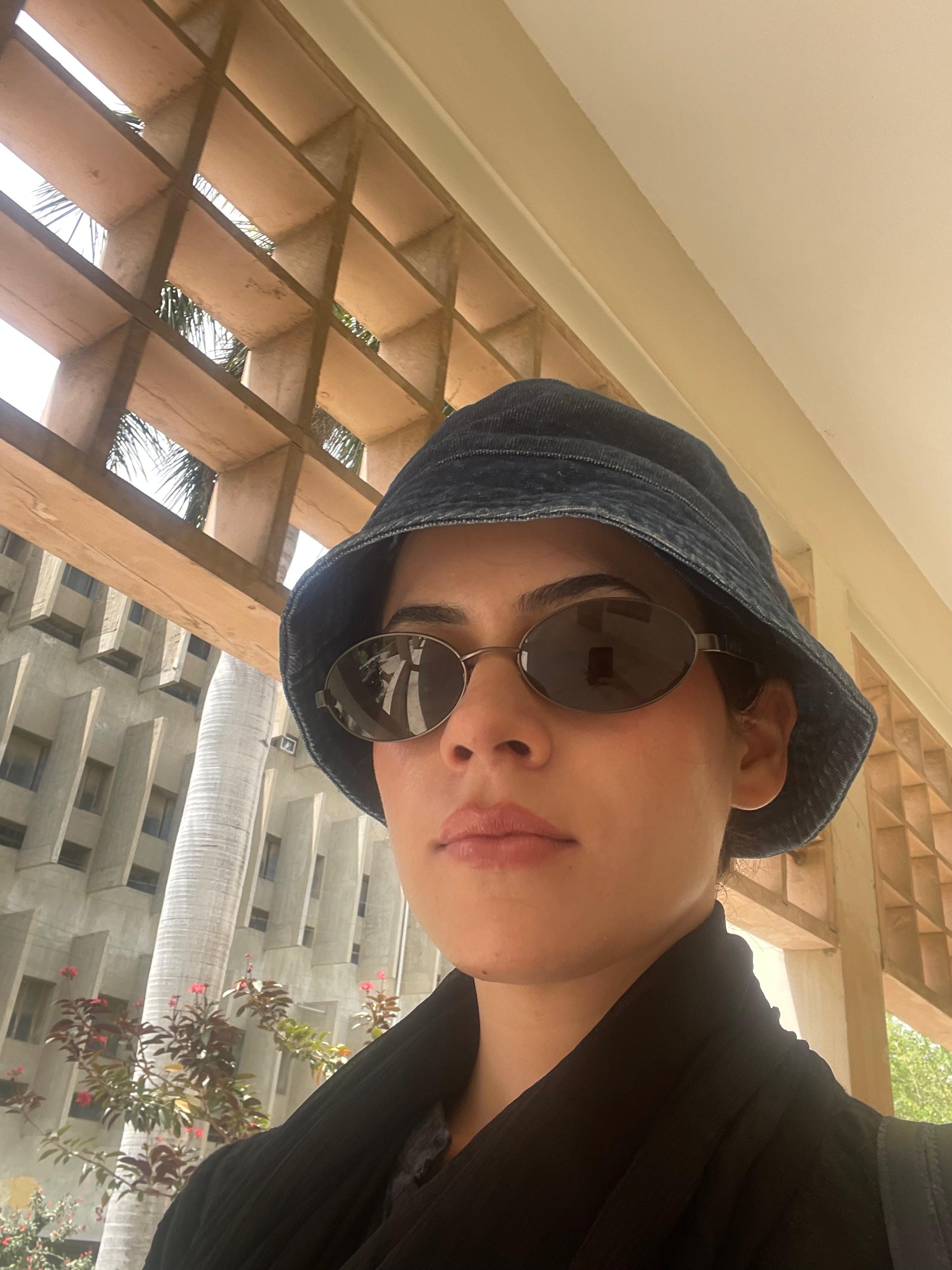
By: Aminah Omer
As a counselor, one of the most common mistakes I see students make is choosing a major because it is popular, considered “safe”, or because of pressure from family members who believe certain careers are more respectable, stable, or successful than others. While practical considerations such as job opportunities and financial stability are important, I believe that passion should play a central role in deciding what to study.
This belief comes not just from working with students, but from my own experience. For most of my childhood and teenage years, I was convinced I would become a doctor. My grandfather (Nana) had stage 4 lung cancer, and I often accompanied him to the Aga Khan University Hospital (AKUH). I would sit in all his appointments, listening carefully to doctors discuss his prognosis and treatment plans, almost like a medical professional myself. Part of it came from wanting to help him get better, but I was also genuinely fascinated by medicine. The late nights, the responsibility, the meaningful work (even the difficult parts of the profession) felt worthwhile to me.
I dreamed of one day walking through the terracotta coloured halls of AKUH in their signature scrubs. My path seemed set from a very young age, so I tried to build the strongest medical school profile I could on my own. I chose sciences for A Levels, pursued hospital internships, shadowed doctors, and read medical papers whenever I could.
Looking back, I now realize how much guidance matters. During my O Levels, I was discouraged from taking Additional Mathematics. Like many quieter students, I often felt overlooked in classrooms. At the time, I had accepted the idea that math simply wasn’t my strength. In hindsight, I know that wasn’t true. Oftentimes, students aren’t incapable; they lack the right support.
Everything I did was geared toward medicine, until one unexpected moment changed everything. While studying for my AS Level Physics exam, I came across a small supplementary reading section about the discovery of the Higgs Boson at CERN’s Large Hadron Collider.
Something clicked. Before I knew it, I had fallen down a rabbit hole of physics research. Videos, papers in journals, documentaries, movies, anything I could find online or in books. That was the moment I realized that medicine, despite how much I admired it, was not what excited me most. Physics was.
The interesting thing is that I wasn’t thinking about careers, salaries, or employability. I simply wanted to learn more.
There was just one problem: you can’t study physics without mathematics.
After A Levels, I took a gap year and took up A Level Mathematics privately. I struggled at first, but I dedicated that entire year to learning, and genuinely enjoying math. More importantly, I was fortunate enough to find an exceptional teacher. Someone who was just as passionate about physics as I was, having done his masters in physics from Brown.
For the first time, I had the guidance I had been missing all along. The ability had always been there, I simply needed someone to help me see it.
The journey through physics is challenging, humbling, and occasionally baffling. But it is also deeply fulfilling. I still admire medicine, yet I consider myself incredibly fortunate to have discovered what truly excites me before committing to a path that wasn’t fully mine.
My story is one reason I feel so strongly about helping students explore their interests. Passion alone is not enough; students should absolutely consider practical factors such as employability, required skills, and future goals. However, passion provides the foundation that helps students persevere when coursework becomes difficult and competition becomes intense.
As counselors at Dream 3, our role isn’t to push students toward the most popular majors. Instead, we help them discover their interests, strengths, and values, then guide them toward paths that align with who they are.
My advice is simple: don’t choose a major because everyone else is. Explore widely, stay curious, and pay attention to what makes you want to keep learning. And if a lack of guidance makes you doubt yourself, remember that sometimes the right mentor or support can completely change the direction of your life. That’s the kind of guidance I hope to provide for my students today.
Aminah Omer is an integral part of the Dream 3 Karachi office where she specializes in working on STEM brushstrokes and legal justice projects.